Frequently Asked Questions

Find answers to common questions about decorative fencing manufacturing and installation services

We manufacture decorative fencing using several durable materials. Steel panels with powder coating provide strength and come in various colors. Wrought iron creates traditional ornamental designs with excellent longevity. Aluminum offers lightweight solutions that resist corrosion, particularly suitable for coastal areas. Composite materials combine wood aesthetics with low maintenance requirements. Each material is selected based on your specific requirements, budget considerations, and environmental conditions at the installation site. Our team provides detailed comparisons during consultation to help you choose the most appropriate option.

Installation duration depends on project scope and site conditions. A standard residential fence around 30 meters typically takes 2-3 days to complete. This includes ground preparation, post installation, and panel mounting. Larger commercial projects may require 5-10 days depending on complexity and design features. Ground conditions significantly affect timeline - hard clay or rocky soil requires additional excavation time. Weather conditions also play a role, as concrete footings need adequate curing time. We provide a detailed schedule after the initial site survey, accounting for all relevant factors.

Planning permission requirements vary based on location and fence specifications. In England, fences up to 2 meters high generally do not require permission for standard boundaries. However, fences adjacent to highways are limited to 1 meter height without approval. Listed buildings and conservation areas have stricter regulations. If your property has restrictive covenants, these may impose additional limitations. We recommend checking with your local council before proceeding. Our team can assist with documentation if planning permission is necessary, and we have experience navigating approval processes across London and surrounding areas.

Maintenance requirements depend on the material chosen. Powder-coated steel needs annual cleaning with mild detergent and water, with inspection for any coating damage. Wrought iron should be checked yearly for rust spots, which require wire brushing and touch-up paint. Aluminum fencing requires minimal maintenance - occasional washing to remove dirt buildup. Composite materials need periodic cleaning but resist fading and splitting. All fence types benefit from vegetation trimming to prevent moisture accumulation at ground level. We provide specific maintenance guidelines for your chosen material, including recommended cleaning products and inspection schedules to maximize longevity.

Yes, we install decorative fencing on slopes using two primary methods. The stepped method creates level sections that follow the terrain, with panels installed horizontally at different heights. This works well for moderate to steep slopes. The racked method angles panels to follow the ground contour, creating a smooth appearance suitable for gentle slopes. The choice depends on slope angle, aesthetic preferences, and panel design. Sloped installations require additional calculations for post placement and may need custom panel sizes. Our surveyors assess the gradient during site visits and recommend the most suitable approach for your specific terrain.

We provide comprehensive warranty coverage on both materials and workmanship. Structural components carry a 15-year warranty against manufacturing defects. Powder coating and finishes are covered for 10 years against peeling or excessive fading. Installation workmanship is guaranteed for 5 years, covering issues like post movement or panel misalignment. Warranties require adherence to maintenance guidelines and exclude damage from accidents, vandalism, or extreme weather events. All warranty terms are documented in your contract, with clear procedures for claims. We maintain detailed records of all installations to facilitate any future warranty service requirements.

Fence height selection depends on several practical considerations. For privacy purposes, 1.8-2 meters provides effective screening from neighboring properties. Security applications typically require 2-2.4 meters to deter unauthorized access. Decorative boundaries may only need 1-1.5 meters height. Consider sight lines from windows and how the fence affects garden sunlight. Local regulations impose maximum heights, particularly near roads. Wind exposure is important - taller solid panels create greater wind load on posts. Your neighbors' fence heights and property boundaries also influence decisions. During consultation, we assess your specific needs and recommend appropriate heights balancing functionality, aesthetics, and regulatory compliance.

Before any excavation, we conduct utility searches using official records and detection equipment. If utilities are identified, we adjust post positions to maintain safe distances as per regulations. Gas pipes require 375mm clearance, electrical cables need 300mm separation, and water mains need 750mm distance. When utilities cannot be avoided, we use specialized installation methods such as driven posts rather than augered holes, or surface-mounted post systems. All utility locations are marked clearly on site. If unexpected services are uncovered during work, we immediately stop excavation, contact relevant authorities, and modify the installation plan accordingly. Such situations may affect project timeline and costs.

We offer extensive customization options for decorative fencing projects. Our design team creates bespoke patterns incorporating specific motifs, geometric shapes, or ornamental elements. Color matching services ensure fencing complements your property's existing palette. Panel dimensions can be adjusted to fit unique spaces or architectural features. We incorporate gates with matching designs, including automation options. Finials, post caps, and decorative inserts add personalized touches. The manufacturing process uses CAD software for precise pattern creation and laser cutting for intricate details. Custom projects require additional lead time for design approval and production - typically 3-4 weeks from final design approval to delivery.

We use concrete footings for maximum stability and longevity. Posts are set in holes excavated to 600-900mm depth depending on fence height and soil conditions. The hole diameter is typically three times the post width. We use rapid-setting concrete mix around the post, ensuring vertical alignment throughout the curing process. In areas with soft soil, footings extend deeper or use wider bases. For temporary installations or certain soil types, driven steel posts may be appropriate. Each post location is checked with a spirit level in two directions. Concrete requires 24-48 hours to cure before panel installation proceeds, ensuring posts remain perfectly positioned.

Several elements determine total project costs. Material selection significantly impacts pricing - wrought iron costs more than powder-coated steel, while composite materials fall in the middle range. Fence height and total linear meterage directly affect material quantities. Design complexity influences manufacturing costs, with intricate patterns requiring additional production time. Site accessibility affects installation efficiency - restricted access may require manual handling rather than machinery. Ground conditions impact excavation requirements and concrete usage. Gates, particularly automated systems, add to overall investment. Removal and disposal of existing fencing incurs additional charges. We provide detailed quotations breaking down all cost components after site assessment.

Repair feasibility depends on damage extent and fence age. Minor issues like loose panels, damaged sections, or leaning posts can often be repaired economically. We replace individual damaged panels while retaining sound sections, particularly for newer installations. Rusted areas on metal fencing can be treated and refinished if corrosion hasn't compromised structural integrity. However, extensive deterioration, multiple failing posts, or widespread panel damage typically makes replacement more cost-effective. Older fencing may lack replacement parts availability. During inspection, we assess structural soundness, remaining lifespan, and repair costs versus replacement benefits. Sometimes partial replacement of severely damaged sections while repairing others provides the optimal solution.

Wind resistance depends on design, materials, and installation quality. Solid panel fencing experiences higher wind loads than designs with gaps or decorative openings. We calculate wind loading during design phase, particularly for exposed locations. Post depth and concrete footing size are increased in high-wind areas. Posts are spaced closer together for solid panels to distribute forces. Some designs incorporate wind vents or semi-transparent sections to reduce pressure. Aluminum performs well in coastal areas due to corrosion resistance and lighter weight reducing stress on posts. Proper installation with adequate post embedment is crucial - posts must extend below frost line and into undisturbed soil for maximum stability.

Several preparations ensure smooth installation. Mark the exact fence line, ensuring it follows legal boundaries - we can assist with boundary verification if needed. Clear vegetation, debris, and obstacles from the fence line plus 1 meter on each side for working space. Remove existing fencing if present, or arrange for our team to handle removal. Ensure access for equipment and material delivery - typically 3 meters clearance for vehicles. Inform neighbors about the project timeline, particularly if work affects shared boundaries. Identify and mark any known underground utilities. Arrange for pets to be secured away from the work area. Check that any required permissions are obtained before the scheduled start date.

We provide comprehensive gate solutions matching your decorative fencing. Options include pedestrian gates from 900mm to 1200mm width, and vehicle gates from 3 meters to 6 meters for driveways. Single or double gate configurations are available depending on opening width requirements. Gates can be manual with various latch and lock systems, or automated with electric operators and access control. We manufacture gates using the same materials and design elements as your fencing for visual consistency. Heavy-duty hinges and reinforced posts ensure smooth operation and longevity. Automation options include remote controls, keypads, intercoms, and smartphone connectivity. All gates are designed to meet relevant safety standards.

Our manufacturing processes incorporate several environmental practices. Steel and aluminum materials are fully recyclable at end of life. Powder coating application produces minimal volatile organic compounds compared to traditional paint. We optimize material usage during fabrication to minimize waste, and scrap metal is recycled through certified facilities. Composite materials incorporate recycled content where available. Manufacturing equipment uses energy-efficient systems to reduce consumption. We source materials from suppliers meeting environmental standards. Installation generates minimal waste - concrete, metal offcuts, and packaging are separated for appropriate recycling or disposal. Our transport logistics are planned to minimize fuel consumption through efficient routing and load consolidation.

About Freshzoneboard
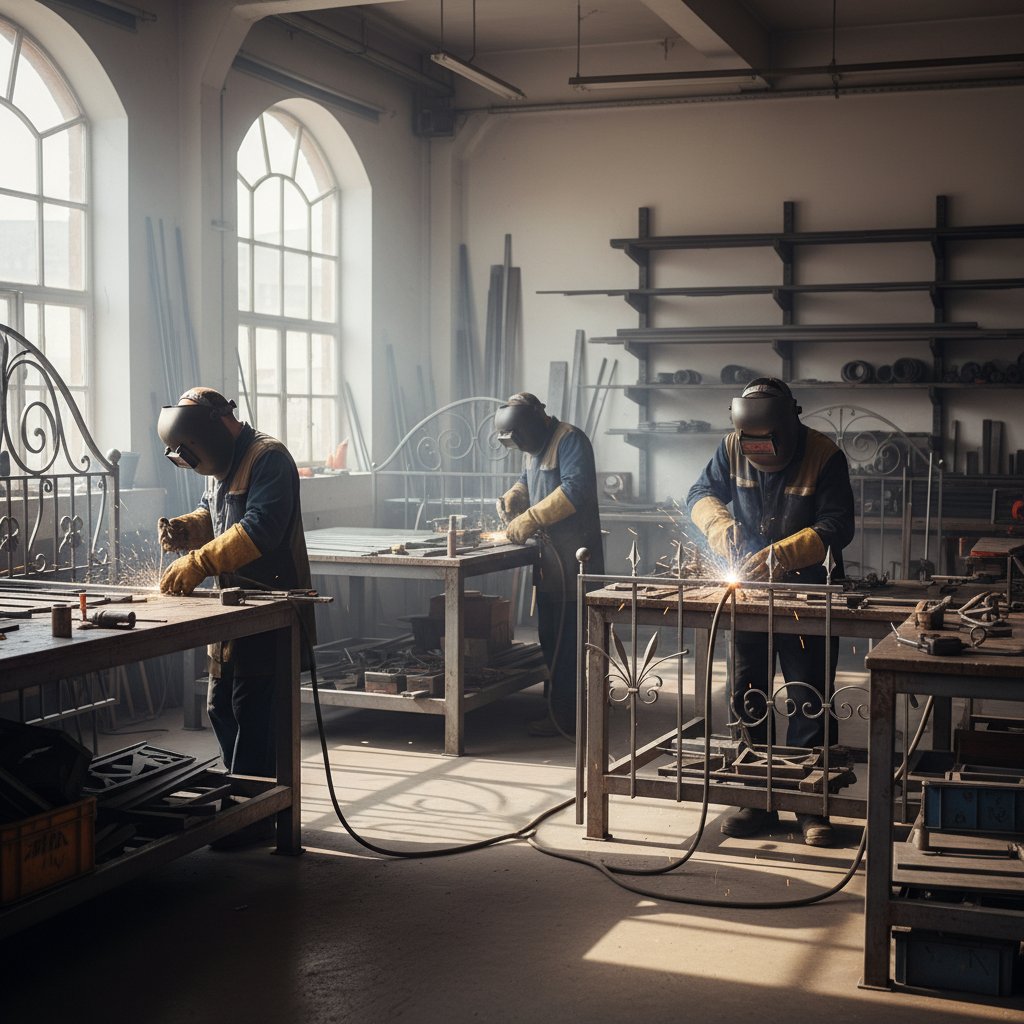
Decorative fence manufacturing facility

Our Story

Freshzoneboard was established in 2011 by a team of craftsmen who recognized a gap in the London market for decorative fencing that combines durability with aesthetic appeal. Starting from a small workshop in South London, we focused on creating bespoke solutions for residential properties.

Over the years, we expanded our capabilities to include commercial projects across Greater London. Our workshop now spans 2,500 square metres and houses modern equipment alongside traditional woodworking tools. We employ 18 specialists, including designers, metalworkers, and installation technicians.

Fence installation process

What We Do

We manufacture decorative fences and enclosures from timber, metal, and composite materials. Each project begins with a site survey where we measure the area and assess ground conditions. Our design team then creates technical drawings that account for slope, drainage, and existing structures.

Production takes place in our London facility using pressure-treated timber, galvanized steel, and powder-coated aluminium. Installation is carried out by our own crews who handle foundation work, post setting, and panel mounting. We work in Wandsworth, Lambeth, Croydon, and surrounding boroughs.

Core Principles

Precision

We measure twice and cut once. Every post is plumb, every panel level. Tolerances are kept within 3mm on standard installations.

Material Selection

Timber comes from FSC-certified suppliers. Metal components meet British Standards for outdoor use. We test samples before bulk ordering.

Clear Communication

Quotes include itemized costs for materials, labour, and disposal. Project timelines specify start date, duration, and completion. Updates are provided at each stage.

Warranty Coverage

Installations carry a 5-year guarantee on workmanship and a 10-year guarantee on timber against rot when maintained according to our care guide.

13 Years Operating
850+ Projects Completed
18 Team Members
5 Year Guarantee