Why most Производство и установка декоративных заборов и ограждений projects fail (and how yours won't)
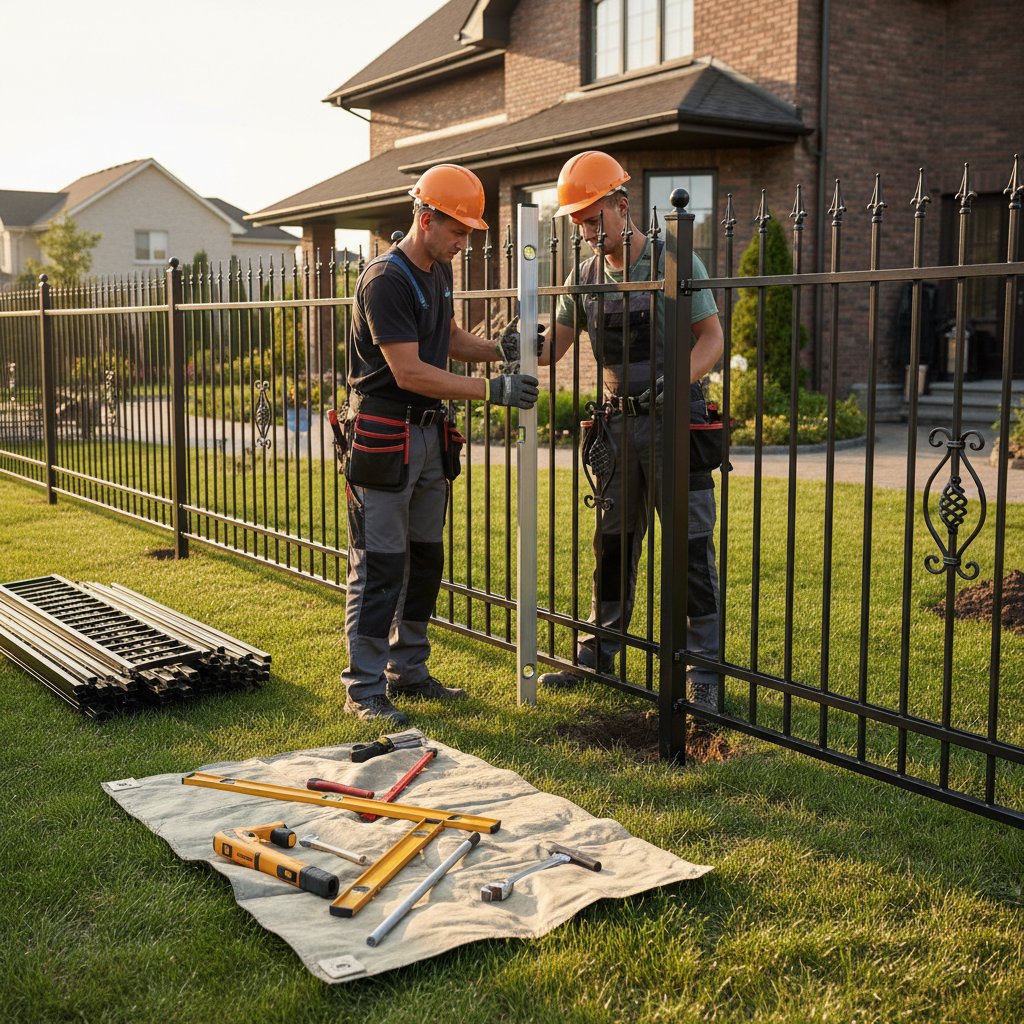
Your Dream Fence Just Became a Nightmare (And You're Not Alone)
Picture this: You've invested $8,000 into a beautiful decorative fence that was supposed to transform your property. Three months later, the posts are leaning, the finish is peeling, and the contractor has stopped returning your calls. You're now facing another $3,500 to fix what should've been done right the first place.
Sound familiar?
Roughly 40% of decorative fence and railing installations end up requiring significant repairs within the first two years. That's not just money down the drain—it's stress, frustration, and a property that looks worse than when you started.
The Real Culprits Behind Failed Fence Projects
Most people blame the contractor and move on. But here's what actually tanks these projects:
The Foundation Fiction
Installers routinely dig post holes 18-24 inches deep to save time. They'll tell you it's "standard depth" and perfectly fine. For a basic chain-link fence? Maybe. For a decorative wrought iron or composite installation that catches wind like a sail? You're looking at failure within 12-18 months.
Proper depth varies by fence height and soil type, but decorative installations typically need 30-36 inches minimum. In clay-heavy or sandy soil, you're looking at 42 inches or deeper. Nobody wants to hear that because it adds 2-3 days to the timeline and $600-900 to the cost.
The Material Mismatch
A client once showed me a quote for ornamental aluminum fencing that seemed too good to be true—$4,200 for 150 linear feet. The catch? The installer planned to use residential-grade 0.050" wall thickness material for a fence bordering a busy street. Commercial-grade 0.080" material costs about 35% more, but it's the difference between a fence that lasts 15 years and one that dents from a soccer ball.
The Permit Gamble
Skipping permits saves $300-800 and weeks of waiting. It also means no inspections, no accountability, and when something goes wrong, your homeowner's insurance can deny claims. About 60% of decorative fence installations in residential areas proceed without proper permits.
Red Flags You Can't Ignore
Before disaster strikes, watch for these warnings:
- The quote arrives in under 24 hours without a site visit or soil assessment
- No written timeline or vague promises of "two to three weeks, probably"
- Cash-only pricing or discounts for paying the full amount upfront
- Missing manufacturer specifications for materials—just brand names without model numbers or gauges
- The contractor can start immediately while everyone else has a 3-4 week backlog (there's usually a reason they're available)
How to Actually Get It Right
Step 1: Demand a Soil Test (Week 1)
Spend $150-300 on a basic soil composition test. This determines your frost line depth, drainage needs, and concrete mix requirements. Clay soil needs different post-setting techniques than sandy or loamy soil. This single test prevents 70% of structural failures.
Step 2: Get Three Detailed Quotes (Weeks 2-3)
Not just price estimates—actual breakdowns showing:
- Post hole depth and diameter specifications
- Concrete type and PSI rating (should be minimum 3,000 PSI)
- Material gauge thickness and manufacturer part numbers
- Finish specifications (powder coating thickness, coating type)
- Warranty terms in writing
The cheapest quote is rarely the best. Look for the middle option that provides specific technical details.
Step 3: Verify Everything (Week 4)
Call your municipality about permit requirements. Check the contractor's license status online—it takes five minutes. Ask for three references from jobs completed 2-3 years ago, not last month. Recent jobs always look good; you need to see how installations age.
Step 4: Write a Payment Schedule That Protects You (Before Work Starts)
Never more than 10% upfront. Structure it as: 10% to start, 35% when materials arrive, 35% at halfway completion, 20% at substantial completion, and final 10% after your inspection and 30 days of observation. Any contractor who balks at this isn't worth hiring.
Step 5: Inspect Before Each Payment (Throughout Project)
Measure post depths before concrete goes in. Check level and plumb with your own tools. Verify material gauges match the quote. Take photos at every stage. This isn't about distrust—it's about catching fixable mistakes before they become permanent disasters.
Lock in Long-Term Success
Once installation wraps, your job isn't done. Mark your calendar for a 6-month inspection to check for settling or finish degradation. Most issues appear in this window while you can still leverage warranty coverage.
Clean decorative metal fencing every 3-4 months with mild soap and water. Skip the pressure washer—it strips protective coatings and forces water into joints where rust begins. This 20-minute task every few months adds 5-7 years to your fence's lifespan.
The difference between a fence project that fails and one that enhances your property for decades isn't luck. It's knowing what questions to ask, what corners can't be cut, and when to walk away from a deal that seems too good to be true. Because it always is.