Производство и установка декоративных заборов и ограждений in 2024: what's changed and what works
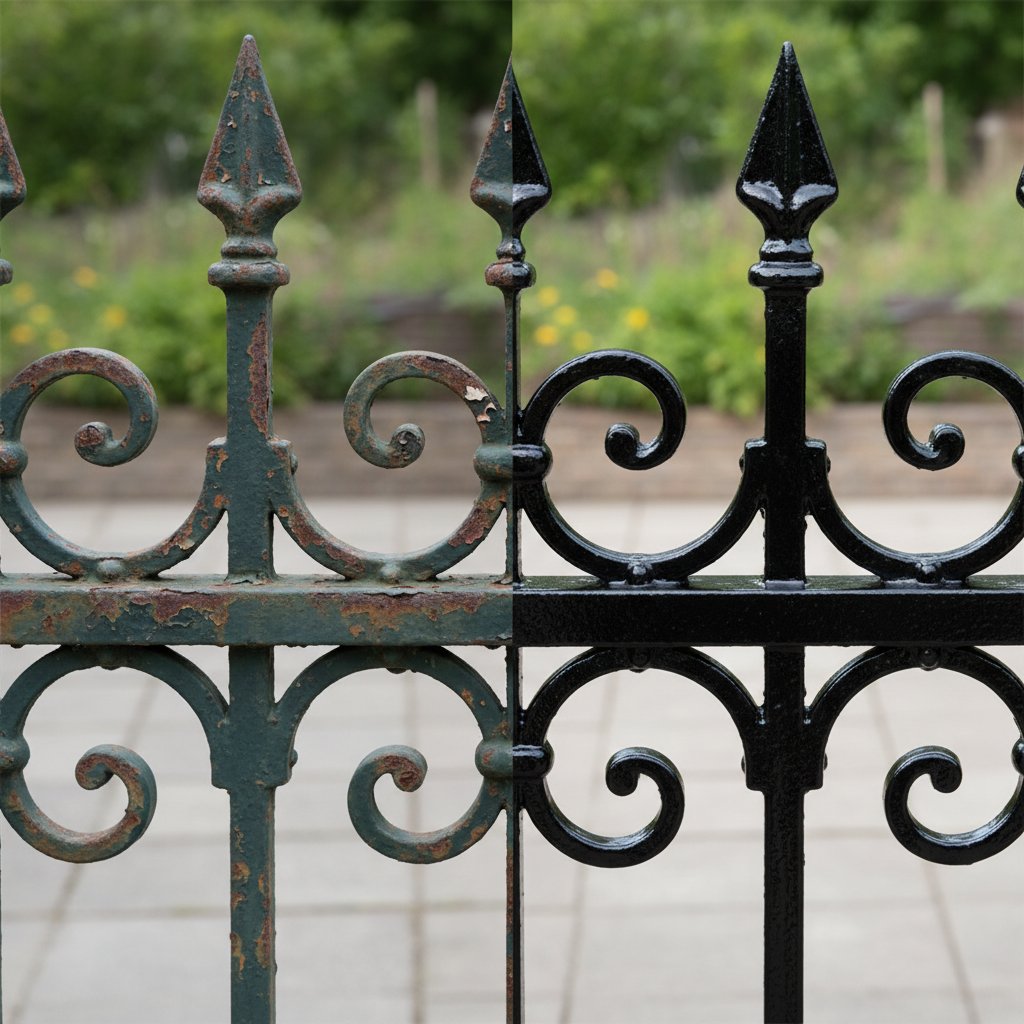
The decorative fence game has changed dramatically over the past year. What worked in 2023 is already looking dated, and clients are asking for things that weren't even on our radar twelve months ago. After installing hundreds of ornamental fences and barriers across residential and commercial properties this year, I've watched the industry shift in real time. Here's what's actually happening out there.
1. Composite Materials Have Finally Hit Their Stride
Remember when composite fencing looked plasticky and cheap? Those days are gone. The 2024 generation of wood-polymer composites can fool even experienced contractors from ten feet away. We're seeing products that mimic weathered cedar or wrought iron patinas so convincingly that clients do double-takes during installation. The game-changer is the price drop—quality composite panels that cost $85 per linear foot last year are now hovering around $62-68, making them competitive with premium wood options.
The durability numbers tell the real story. Traditional wood fences need refinishing every 2-3 years and full replacement around year 15. Modern composites? Manufacturers are backing 25-year warranties, and the material doesn't rot, warp, or attract termites. One client replaced their cedar fence that lasted 12 years with a composite version. Three years in, it still looks identical to installation day, while their neighbor's new wood fence is already showing weather damage.
2. Modular Systems Are Crushing Custom Builds on Speed
The old approach meant measuring, cutting, and assembling everything on-site. A typical 100-foot decorative fence installation took 4-5 days with a two-person crew. Modular pre-fabricated panels have slashed that to 1.5-2 days for the same job. These aren't the flimsy pre-fab panels from big box stores—we're talking engineered systems with powder-coated aluminum frames and interchangeable decorative inserts.
Here's where it gets interesting: clients can swap out panel designs without replacing the entire structure. Want to change from a Mediterranean scrollwork pattern to something more minimalist? Pop out the old inserts, slide in new ones. Takes maybe 20 minutes per panel. This flexibility is huge for commercial properties that rebrand or homeowners who get bored with their aesthetic every few years.
3. Integrated Lighting Isn't Optional Anymore
Decorative fencing with built-in LED systems has moved from "nice luxury touch" to standard expectation. Clients specifically request it in about 65% of new projects, up from maybe 20% two years ago. The technology finally makes sense too—solar panels integrated into post caps charge during the day, powering low-voltage LEDs that run 8-10 hours nightly without any electrical work or permits.
The installation economics work out beautifully. Adding lighting to a fence project used to mean hiring an electrician, trenching for cables, and dealing with permits. That added $1,200-1,800 to a typical residential job. Solar integrated systems add maybe $400-600 in materials, install in the same timeframe, and require zero maintenance. Plus, they're selling points—properties with illuminated decorative fencing photograph incredibly well and stand out in listings.
4. Privacy Meets Decoration in Hybrid Designs
The either-or choice between decorative open fencing and solid privacy barriers has dissolved. Hybrid designs combining both elements in the same structure are everywhere now. Picture this: a 6-foot fence with the bottom 4 feet in solid panels (wood, composite, or metal) and the top 2 feet in ornamental ironwork or laser-cut patterns. You get privacy where it matters while maintaining the upscale decorative appearance.
These hybrids solve real problems. Full privacy fences can feel oppressive and make yards look smaller. Purely decorative fences don't block sight lines from neighbors or streets. The hybrid approach gives you both, and clients are willing to pay for it—we're seeing 30-40% higher per-foot pricing compared to standard privacy fencing, and the projects keep coming.
5. Sustainable Materials Are Demand-Drivers, Not Just Marketing
Reclaimed materials and sustainably sourced options have moved beyond greenwashing into genuine selling points. Fences built from recycled aluminum or reclaimed industrial metal are commanding premium prices because they look incredible and have legitimate environmental credentials. One decorative barrier we installed using reclaimed steel from decommissioned shipping containers cost the client $95 per linear foot—and they had three neighbors ask for quotes within a week.
The certification matters more than ever. Clients actually ask to see FSC documentation for wood products or recycled content verification for metal and composite materials. This isn't performative—they're checking because resale value increasingly depends on sustainable building choices. Properties with documented eco-friendly features are seeing 4-7% higher valuations in many markets.
6. Digital Visualization Closes Deals Faster
Showing clients sketches or catalog photos doesn't cut it anymore. We've shifted entirely to 3D rendering tools that overlay proposed fence designs onto photos of their actual property. The client sees exactly how that specific ornamental pattern will look against their brick house or how the height works with their landscaping. Decision time has dropped from weeks of "let me think about it" to same-day commitments in about 70% of cases.
The software investment pays for itself fast. We spent $1,200 on visualization tools and training in January. By March, we'd closed six additional projects that were on the fence (pun intended) specifically because clients could see the finished product before committing. That's roughly $47,000 in revenue directly attributable to better visualization.
The decorative fence industry isn't what it was even eighteen months ago. Materials perform better, installation happens faster, and client expectations have evolved beyond basic function into demanding aesthetics, sustainability, and smart features. The contractors adapting to these shifts are booked solid. Those still doing things the 2020 way are wondering where their business went.