Производство и установка декоративных заборов и ограждений: common mistakes that cost you money
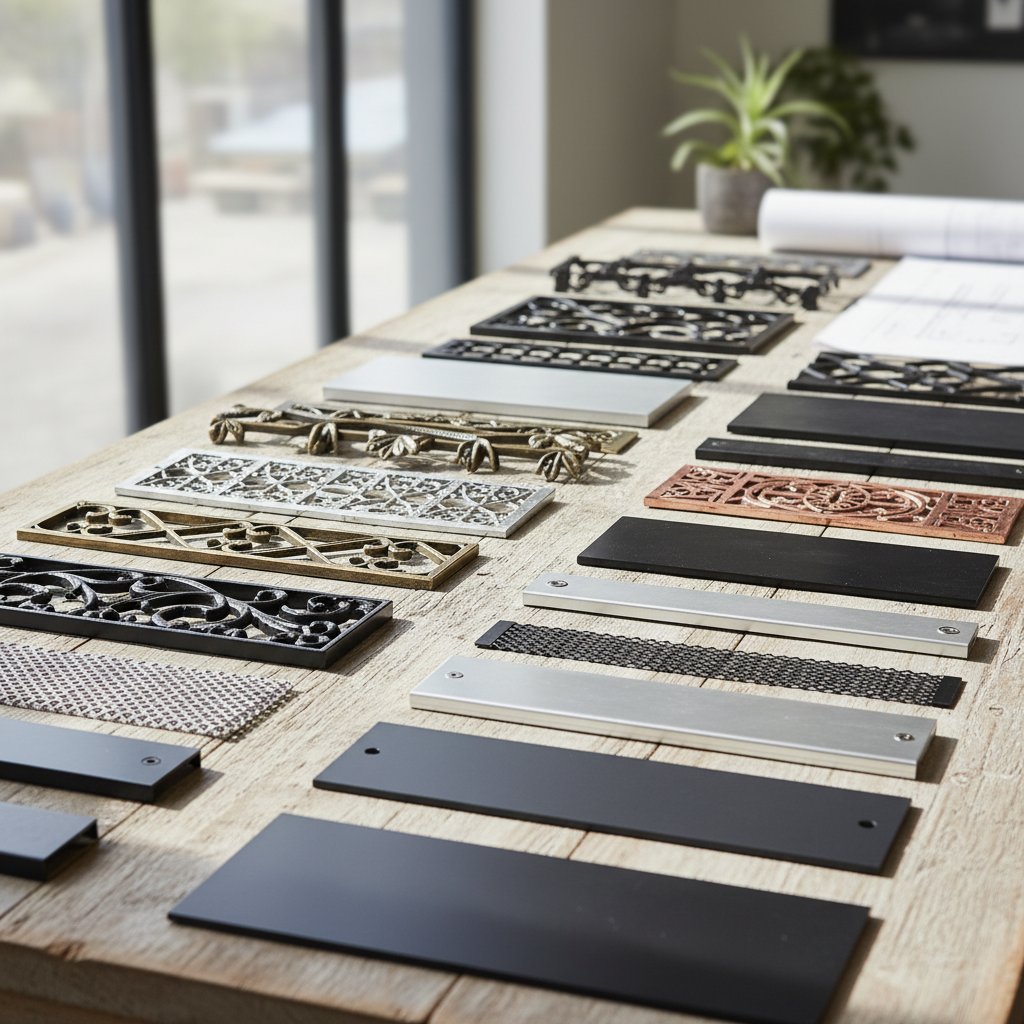
The Price Tag of Poor Planning: DIY vs. Professional Fence Installation
Last summer, my neighbor decided to save a few bucks by installing his own decorative metal fence. Three months later, half the panels were leaning like the Tower of Pisa, and he'd spent $2,400 fixing what should have cost $3,200 done right the first time. Sound familiar?
The decorative fence market has exploded—homeowners are dropping anywhere from $15 to $75 per linear foot on ornamental barriers. But here's the kicker: most people waste 20-30% of their budget on avoidable mistakes. Let's break down the two approaches people take and why one typically drains your wallet faster than you'd think.
The DIY Route: When Saving Money Becomes Expensive
The Upsides
- Immediate cost savings: You're cutting out labor fees that typically run $30-$50 per hour, which can mean saving $1,500-$3,000 on an average residential project
- Complete control: You pick the schedule, make changes on the fly, and answer to nobody
- Learning experience: Understanding your property's quirks can help with future projects
- Flexibility: Work at 6 AM or midnight—your choice
The Downsides
- Foundation failures: Skipping proper concrete footings (24-36 inches deep in frost zones) leads to 60% of DIY fence collapses within 18 months
- Material miscalculations: First-timers typically over-order by 15-20% or under-order and face rush shipping fees of $200-$500
- Tool rental costs add up: Post hole digger ($65/day), concrete mixer ($45/day), level laser ($40/day)—a week-long project can run $800 in rentals alone
- Time hemorrhaging: What pros finish in 3-4 days takes most homeowners 2-3 weekends, meaning 48+ hours of your time
- Permit nightmares: Missing local regulations can trigger fines of $500-$2,500 and mandatory teardowns
The Professional Installation Path: Paying Now or Paying More Later?
The Upsides
- Warranty protection: Most reputable installers offer 5-10 year guarantees on workmanship
- Permitting handled: They navigate the bureaucratic maze and know which setback rules apply
- Proper equipment: Industrial augers dig through rocky soil that would break rental equipment
- Speed: A 150-foot decorative aluminum fence installation takes 2-3 days versus your entire month of weekends
- Hidden obstacle detection: Pros locate underground utilities, preventing the $3,000-$8,000 disaster of hitting a gas line
The Downsides
- Higher upfront cost: Professional installation adds 40-60% to material costs
- Scheduling constraints: You're working around their calendar, potentially waiting 2-6 weeks during peak season
- Quality varies wildly: Low-bidder contractors might cut corners on post spacing (going 10 feet instead of 8, weakening the whole structure)
- Less customization freedom: Mid-project changes can trigger change orders costing 25-35% more than initial estimates
Head-to-Head Breakdown
| Factor | DIY Approach | Professional Install |
|---|---|---|
| Initial Cost (100 linear feet) | $2,500-$4,000 | $4,200-$7,500 |
| Time Investment | 40-60 hours | 4-6 hours (supervision) |
| Failure Rate (5 years) | 35-45% | 8-12% |
| Permit Compliance | Hit or miss | 99% compliant |
| Resale Value Impact | +2-4% | +5-8% |
| Warranty Coverage | Materials only | Materials + labor |
The Real Money Drains Nobody Talks About
Here's what actually empties wallets: choosing wrought iron in coastal areas where salt air causes rust within 24 months. Skipping anti-heave collars in clay soil that expands 15% seasonally. Installing panels without accounting for your property's 3-degree slope, creating a stair-step disaster.
The biggest mistake? Treating all "decorative fencing" as equal. Aluminum needs different installation specs than steel. Vinyl expands 0.75 inches per 18-foot section in summer heat. PVC posts require concrete sleeves, not direct burial.
Where Your Money Actually Goes
Smart money goes into foundation work—boring, invisible, essential. A proper concrete footer costs $8-$12 per post but prevents the $4,000 reinstallation three years later. Galvanized hardware adds $150 to your project but lasts 20 years versus 5 for standard fasteners.
The verdict? DIY works for experienced builders tackling small runs (under 50 feet) on flat, obstacle-free property. Everyone else is gambling with their wallet. That $2,000 you "save" upfront often becomes $5,000 in corrections, repairs, and do-overs. Sometimes the expensive option is actually the economical one.